Building Resilience
Practical Tools for Navigating Stress and Change
(Updated from the original post in 2021 following the Marshall Fires in Boulder County)
While we may wish for a life without hardship, the reality is that change is constant and stress is often unpredictable. Developing resilience—our ability to adapt, recover, and grow through adversity—is essential for protecting both mental and physical health.
The good news is that resilience is not something you either have or don’t have. According to the American Psychological Association, resilience is a set of behaviors, thoughts, and actions that can be learned and strengthened over time. Like a muscle, it grows with intentional practice and support.
Resilience is supported by connection, nervous system regulation, healthy thinking patterns, and meaning. Below are practical, accessible steps you can begin today.
Reach Out to Your Community
Social connection is one of the strongest predictors of resilience. Lean into supportive relationships and let others know when you’re struggling. Asking for help is a sign of strength, not weakness.
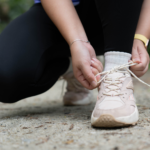
Take One Step at a Time
Come Back to Your Body
Stress and trauma are stored in the body. Practices like breathwork, yoga, body scans, craniosacral therapy, or massage can help regulate the nervous system. Dr. Bessel van der Kolk’s The Body Keeps the Score offers valuable insight into this connection.
Shift What is Within Your Control
Circumstances are neutral, despite however negative or positive we may perceive them to be. Your thoughts have an enormous influence on your feelings. You may not be able to change circumstances, but you can work with your response. Identifying unhelpful thought patterns and practicing acceptance can reduce emotional suffering and support forward movement.
Support Stress Management and Foundations of Health
Maintain a connection to your foundations of health. Gentle movement, nourishing food, hydration, time in nature, and rest all reinforce resilience. The goal is not perfection, but consistency and self-compassion.
Seek Professional Support When Needed
Therapies such as counseling, CBT, EMDR, acupuncture, and naturopathic care can provide meaningful support during challenging times. You do not have to navigate stress alone.
Resilience isn’t about avoiding difficulty—it’s about building the capacity to meet life with steadiness, flexibility, and compassion.